Problem
Ranfo runs a vehicle workshop where most operational data lived in paper records and ad-hoc spreadsheets. The CEO needed full remote oversight of financial flows and operational data, and the team needed a digital platform that could keep up with a business-logic rewrite already in motion. They needed one person who could own the whole thing — design, implementation, infrastructure, deploys — and ship.
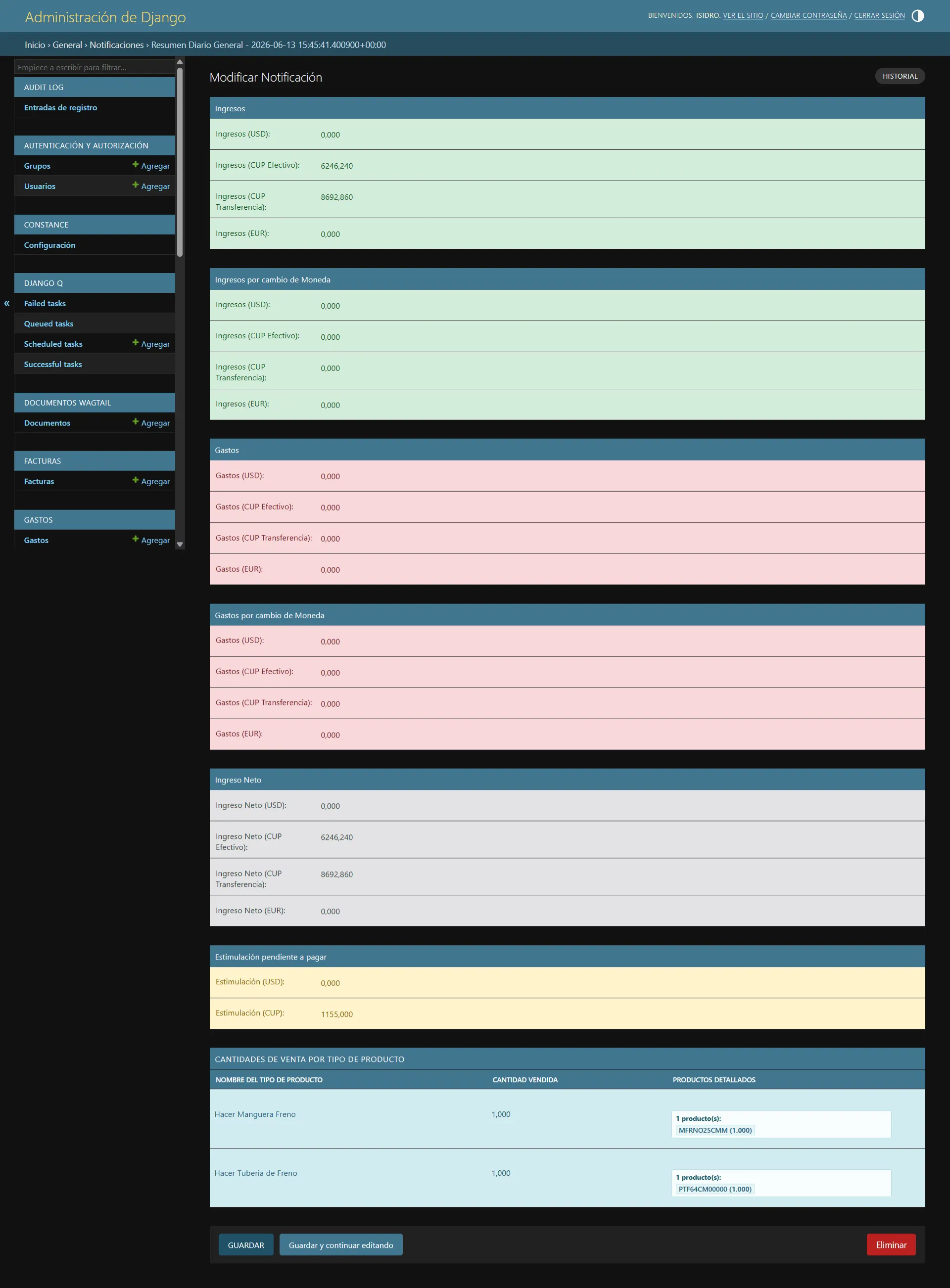
The domain had a quirk that shaped the entire data model: a single payment routinely splits across multiple currencies — part in USD, part in CUP cash, part in CUP bank transfer, sometimes a slice in EUR. Not because we wanted multi-currency tracking, but because that’s how transactions actually happen on the ground. Every monetary entity (income, expense, invoice line) had to carry multiple currency fields by design, not as an afterthought.
Approach
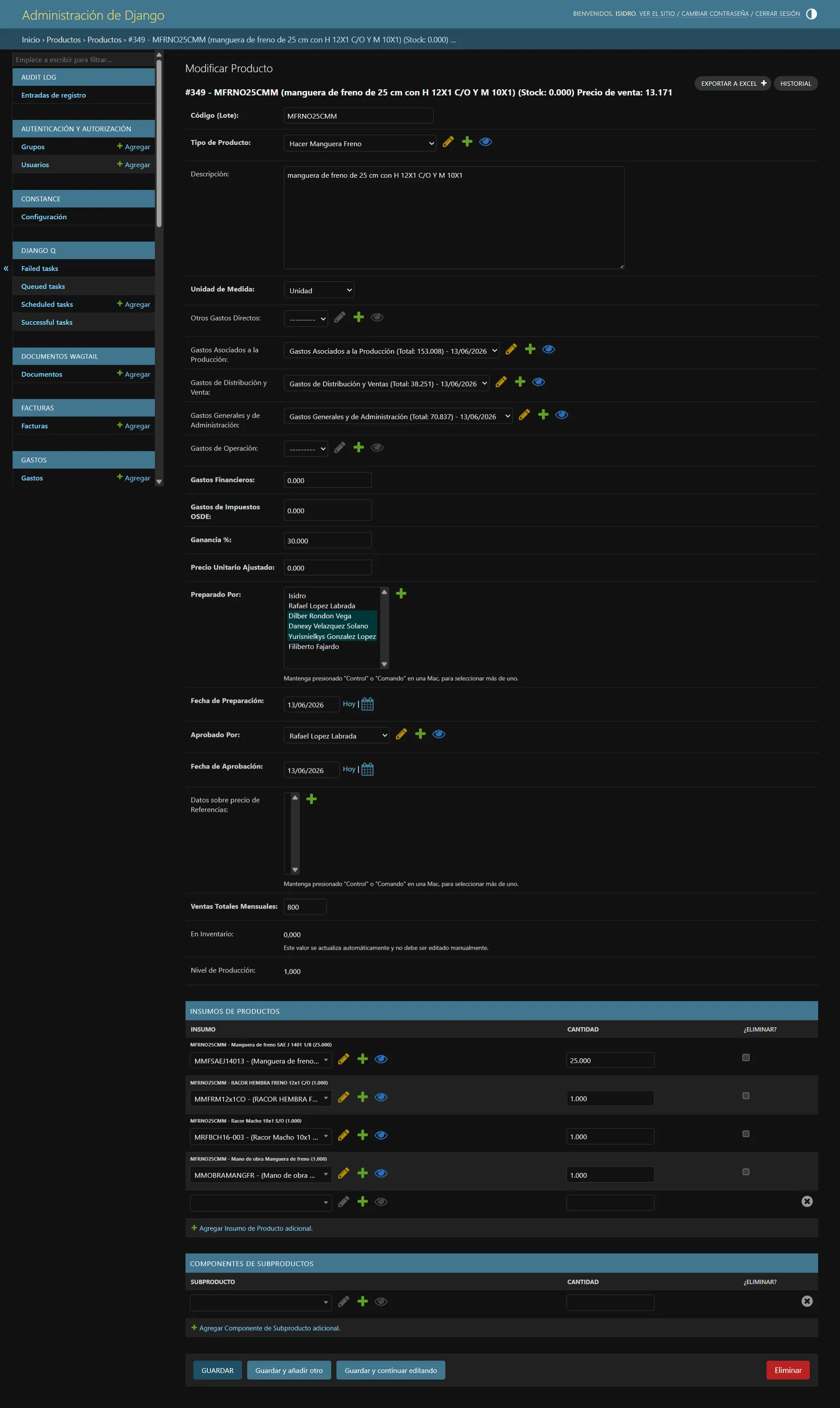
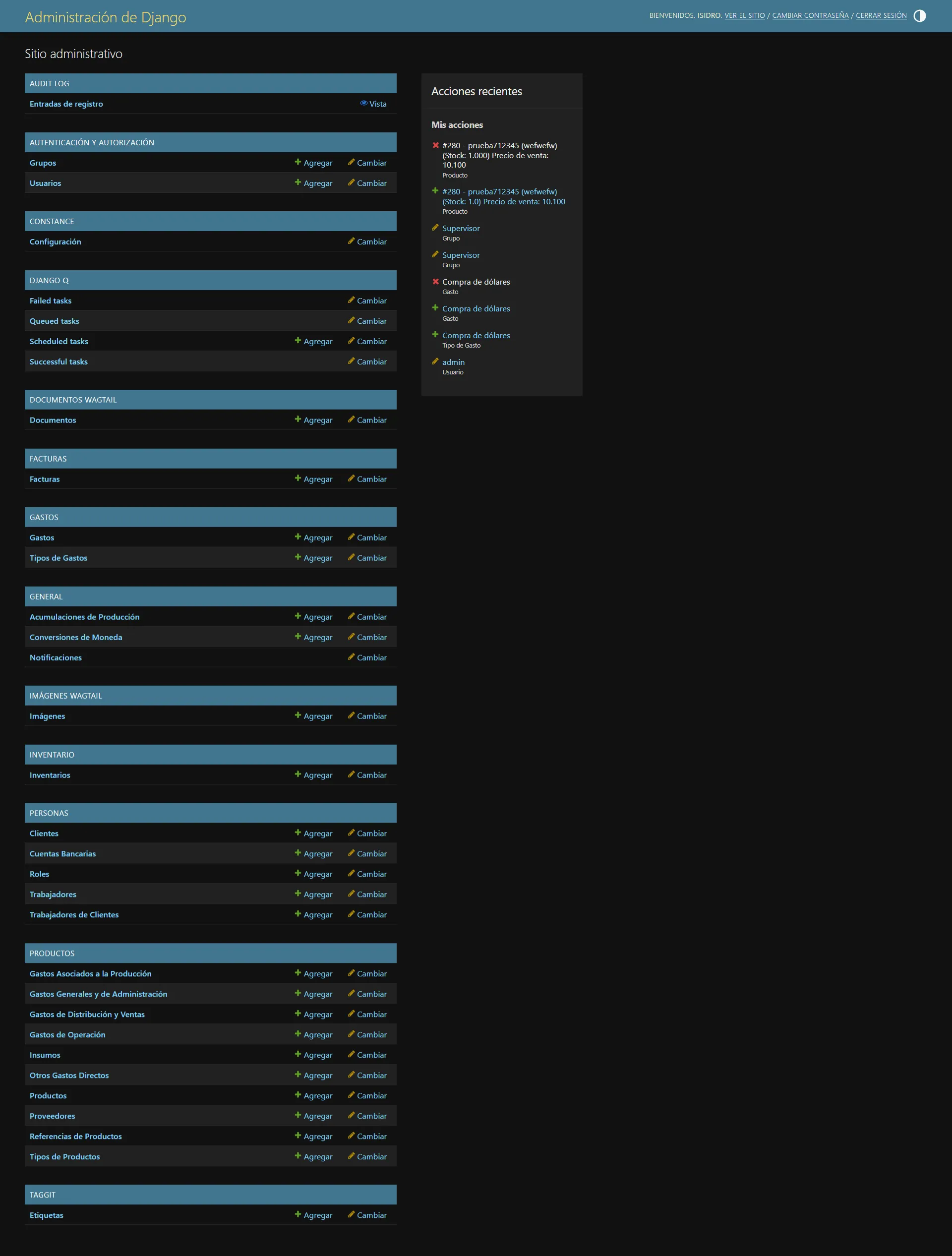
I picked a Django ecosystem because it shortens the distance between business model and admin surface, which was the right tradeoff for a workshop CEO who wanted to inspect data without learning a new tool. Hosted on a Hetzner VPS with Dokploy for CI/CD and Cloudflare for traffic security.
The non-obvious decision: midway through the engagement, the business logic shifted enough that the original schema became wrong — and changing a schema where every monetary row carries four currency fields, with live data already in production, is the kind of work where one bad column rewrite corrupts months of records. Instead of pausing the project for a “big migration window,” I executed a non-breaking schema migration — dual-write phase, then read-side cutover — so the team kept operating throughout. Total downtime: zero. Total data loss: zero.
Outcome
The CEO got full remote oversight of financial flows and daily operations via the Django admin and custom dashboards. The schema migration was completed without any operational interruption — staff didn’t notice it had happened.