
Problem
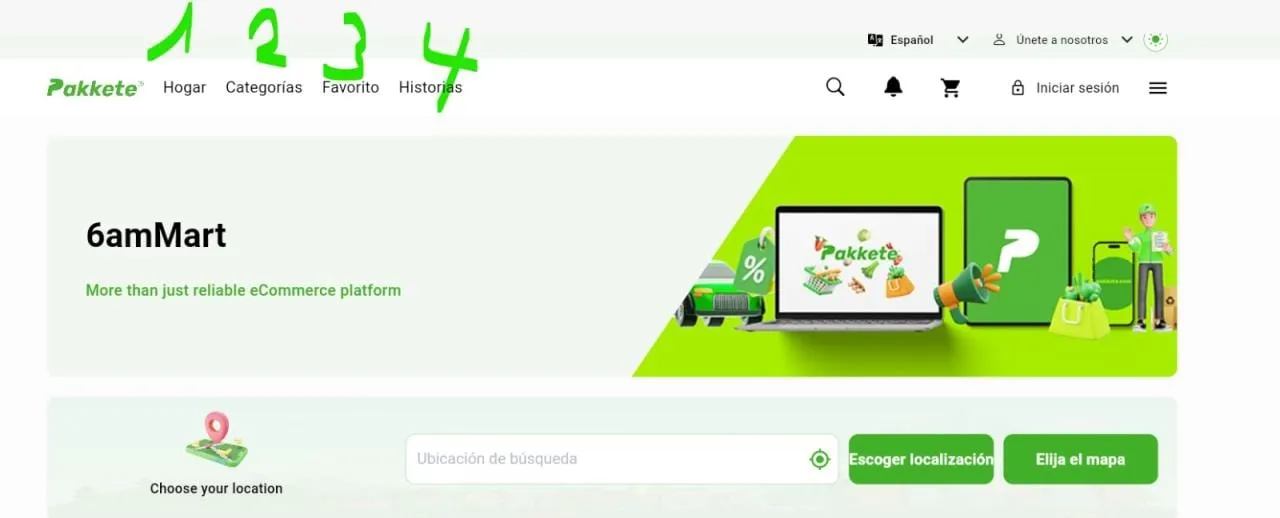
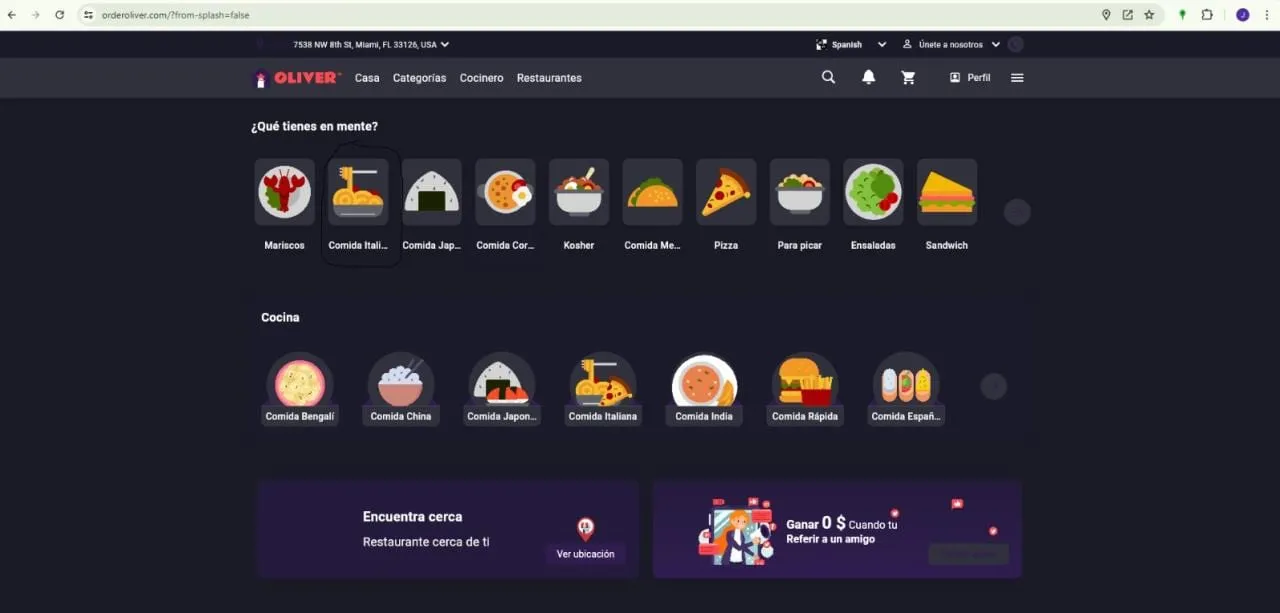
Pakkete Group ran a multi-brand Flutter e-commerce platform: Pakkete itself as the parent storefront, Carmelina as a Cuban grocery brand operating out of Havana, and Oliver as a food-delivery brand based in Miami that serves the Cuban-American diaspora. All three apps shared a single Flutter codebase but exposed distinct brand identities, currencies, regional logistics, and category trees.
Approaching the launch window, the three apps needed final stabilization in parallel. The work wasn’t new features — it was the last-mile polish that decides whether a launch survives contact with real users.
Approach
I joined for the two-month polish window as Frontend Developer. The scope was deliberate: close out the work that was already there, not extend it. Three workstreams ran in parallel:
- Performance — list scrolling, image caching, navigation transitions, and cold-start cost across the three brand variants.
- Final UI tightening — pixel-level alignment of category cards, login modals, and storefront states, matched against each brand’s web identity (Pakkete’s green motion, Carmelina’s grocery-warm palette, Oliver’s diaspora-targeted dark theme).
- Production hardening — error states, loading skeletons, and edge-case handling that only surface under real usage patterns.
Coordination ran across a multidisciplinary team — backend engineers on API contracts, UI/UX designers on per-brand fidelity, marketing on the launch window — to align the final technical delivery with brand and timing.
Outcome
All three storefronts shipped on the production schedule. The shared codebase held under launch pressure — fixes on the core platform propagated cleanly to Carmelina and Oliver without per-brand divergence, and the Flutter apps mirrored the web surfaces shown here with the same brand-identity boundaries enforced on mobile.
Pakkete Group dissolved at the launch window and the public operation didn’t continue past that point. The Flutter delivery is what’s worth showing here: the multi-brand shared codebase, the polish discipline, and the cross-market boundary handling.